

Understand your
thyroid nodule.
Know your options.
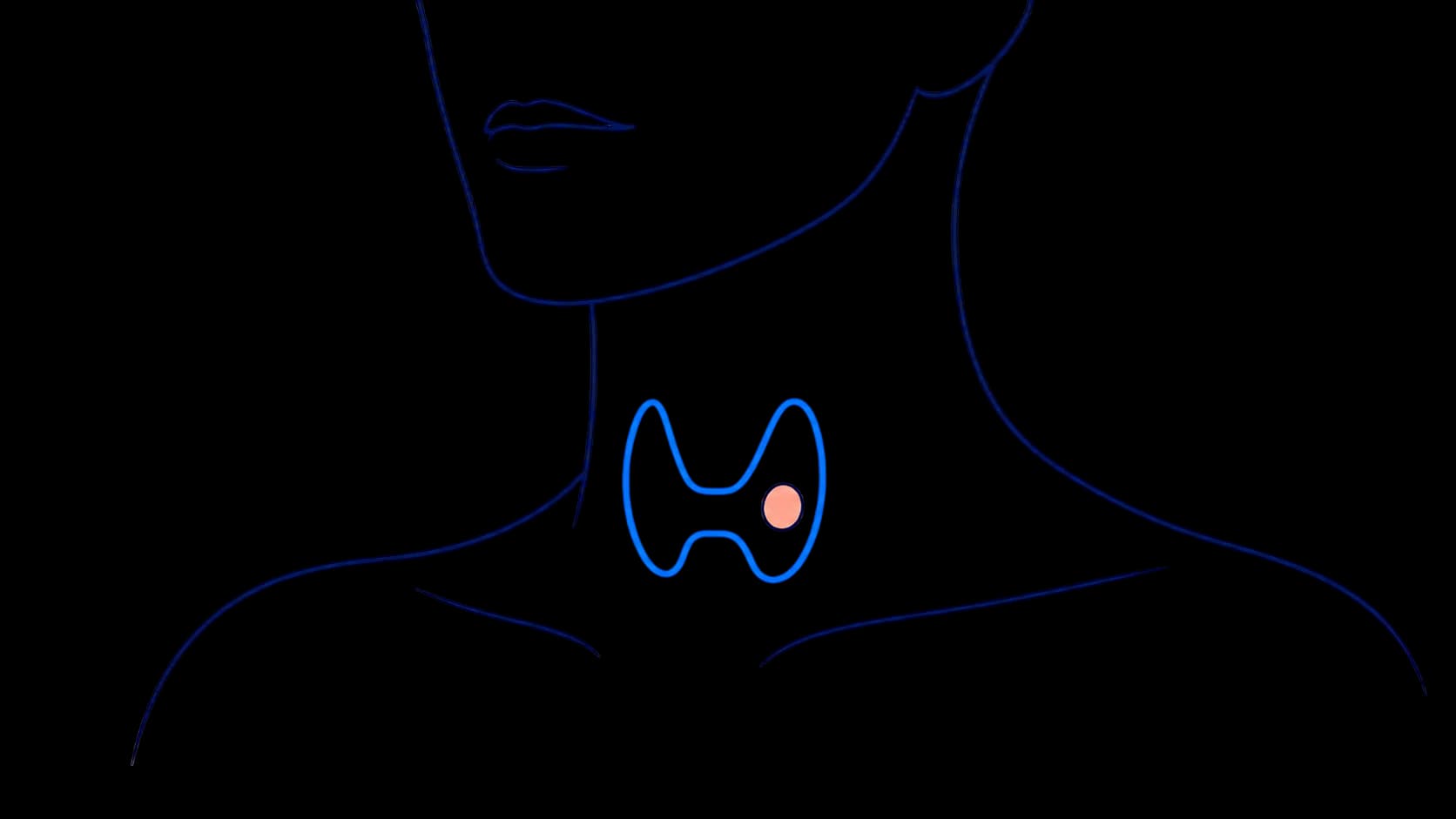
A thyroid nodule is a growth within the thyroid gland
The thyroid is a small, butterfly-shaped gland at the front of your neck. It makes hormones that help control how your body uses energy. Nodules can be solid, fluid-filled, or both. Ultrasound helps your doctor check a nodule’s size and appearance and decide whether more testing or follow-up is needed.²
Thyroid nodules are common
About50%
of all people have a thyroid nodule found by examination or imaging by the age of 60.¹ Over 90% are benign, and many do not cause symptoms.² Evaluation helps determine what, if anything, needs to happen next.
Most nodules do not cause symptoms
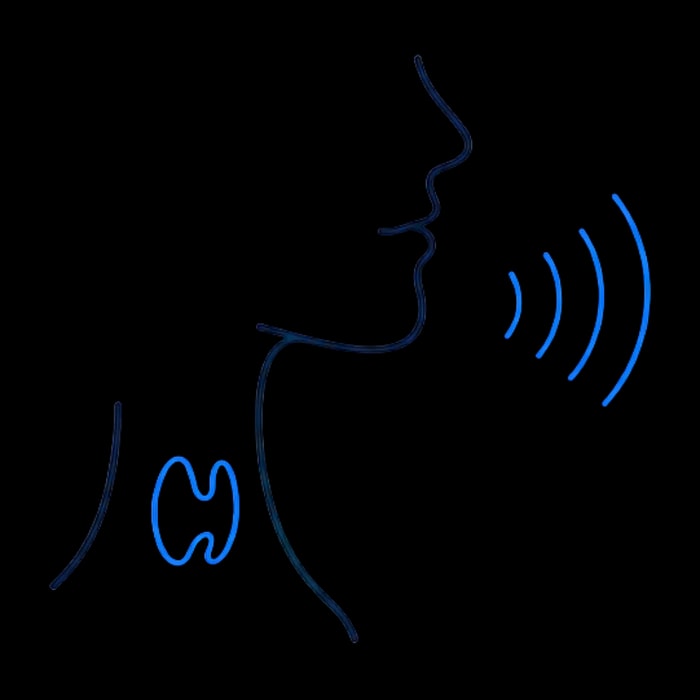
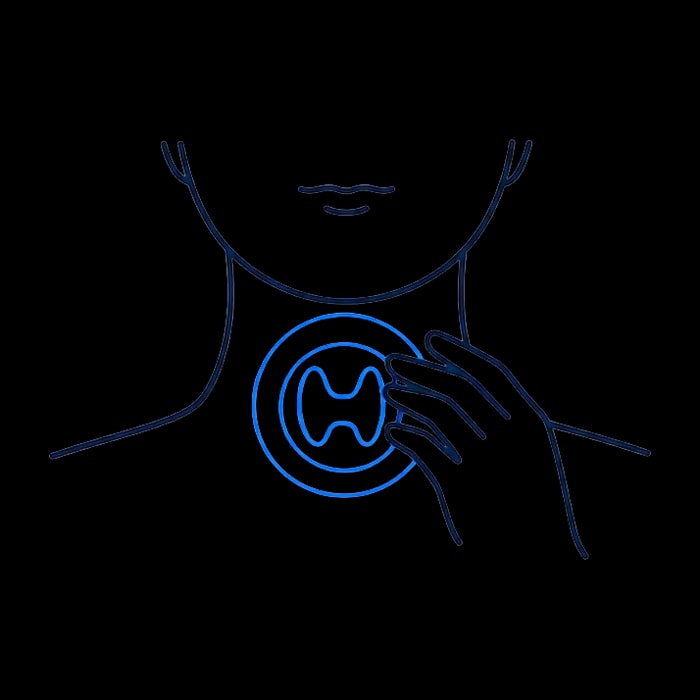
Many are found during routine exams or imaging. However, some can cause the symptoms shown below. If you notice any of these changes, discuss them with your physician.⁴
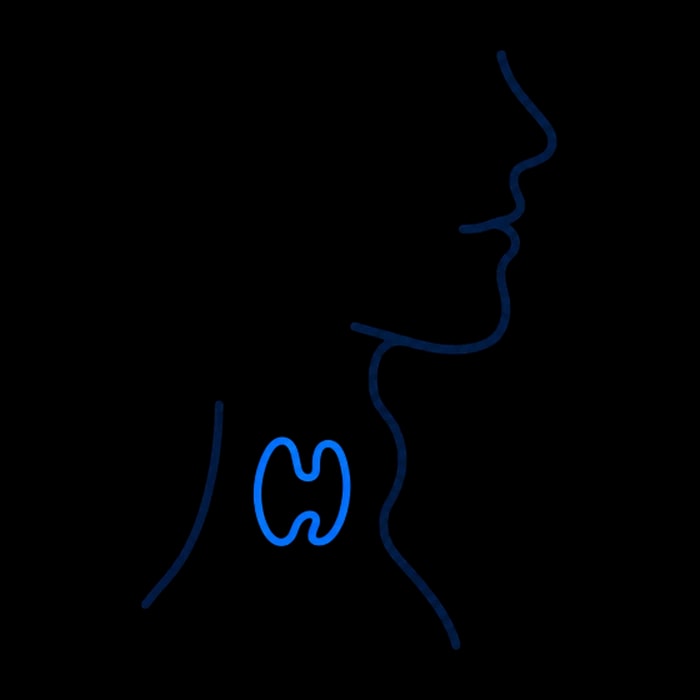
- Visible neck swelling
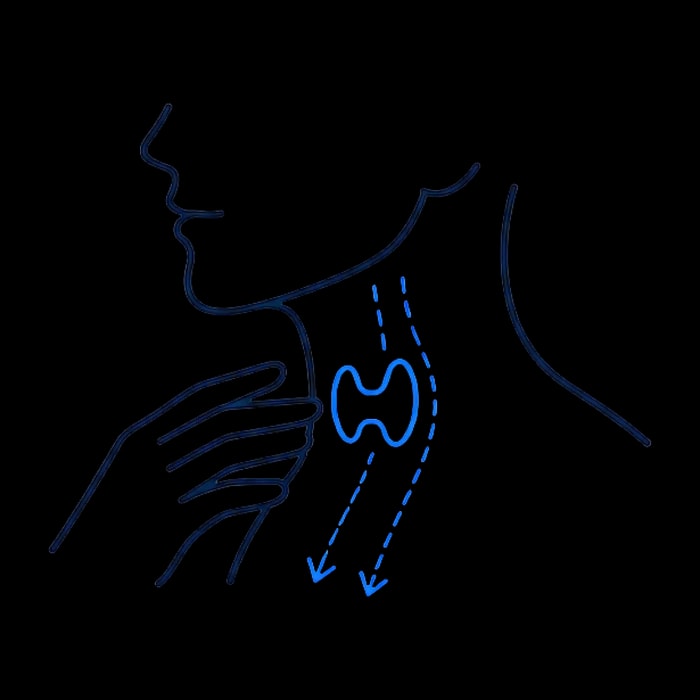
- Trouble swallowing
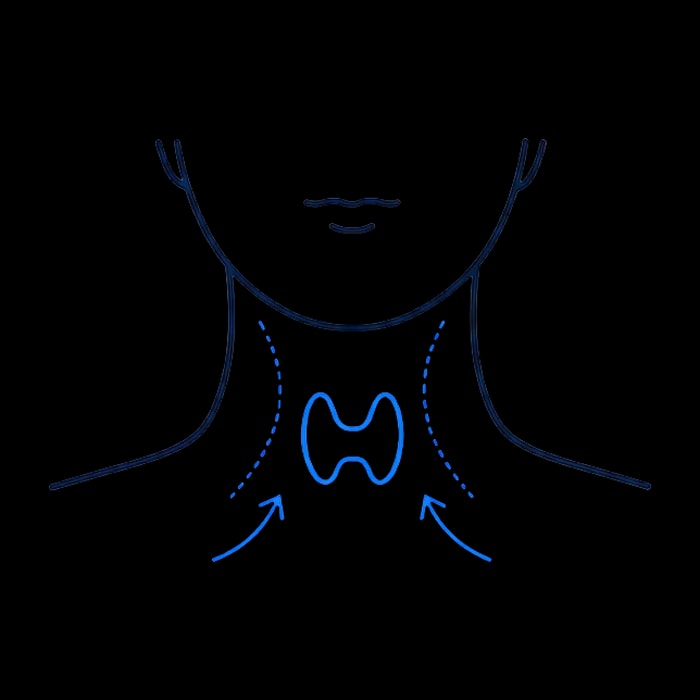
- Breathing-related pressure
- Voice change
- Neck pressure or discomfort
Simple exams and tests
to guide your evaluation
Your physician may review a physical exam, thyroid blood testing, ultrasound imaging, and biopsy when appropriate. Not every patient needs every step.³
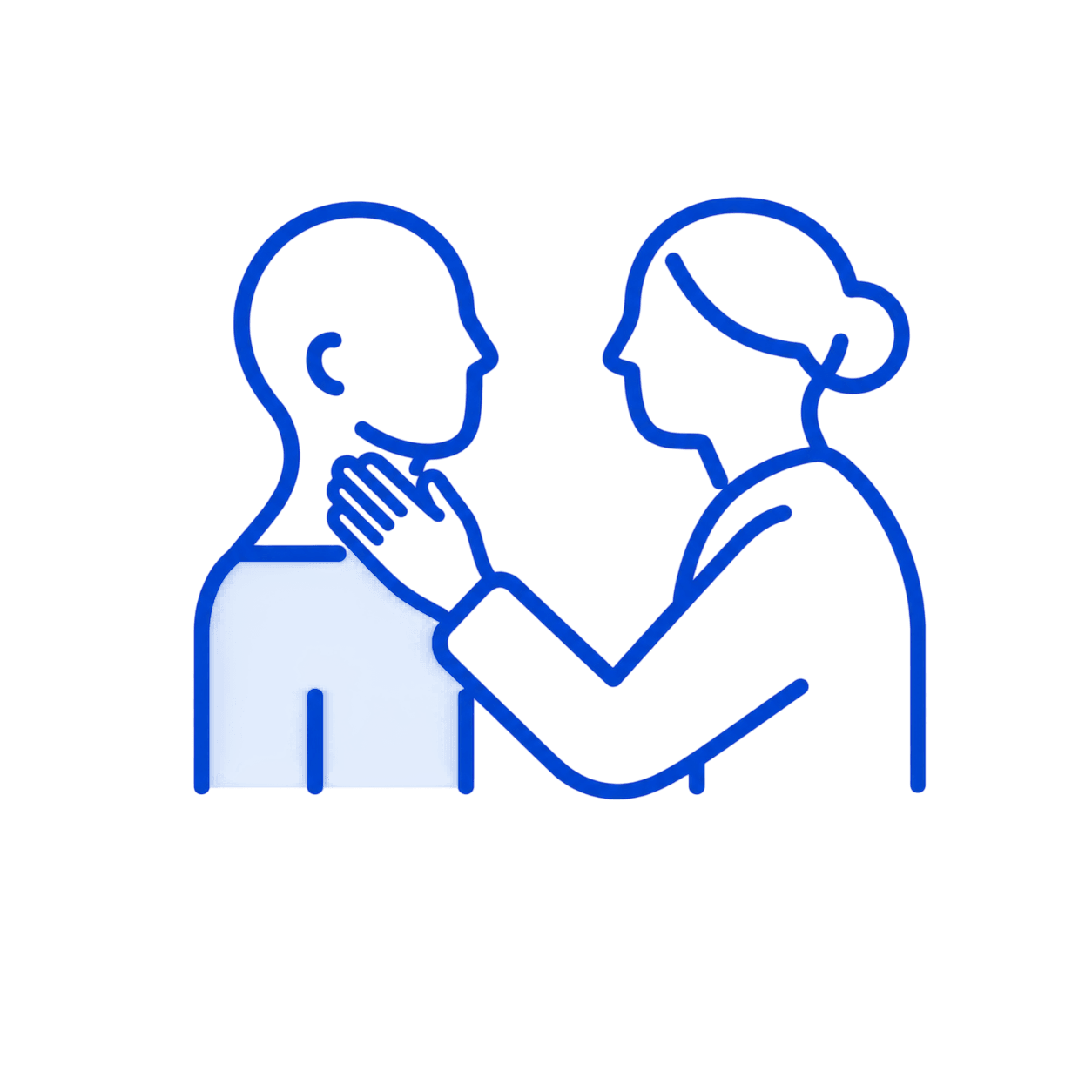
Physical exam
Your physician may examine your neck and ask about pressure, swallowing, breathing, voice changes, or visible neck changes.
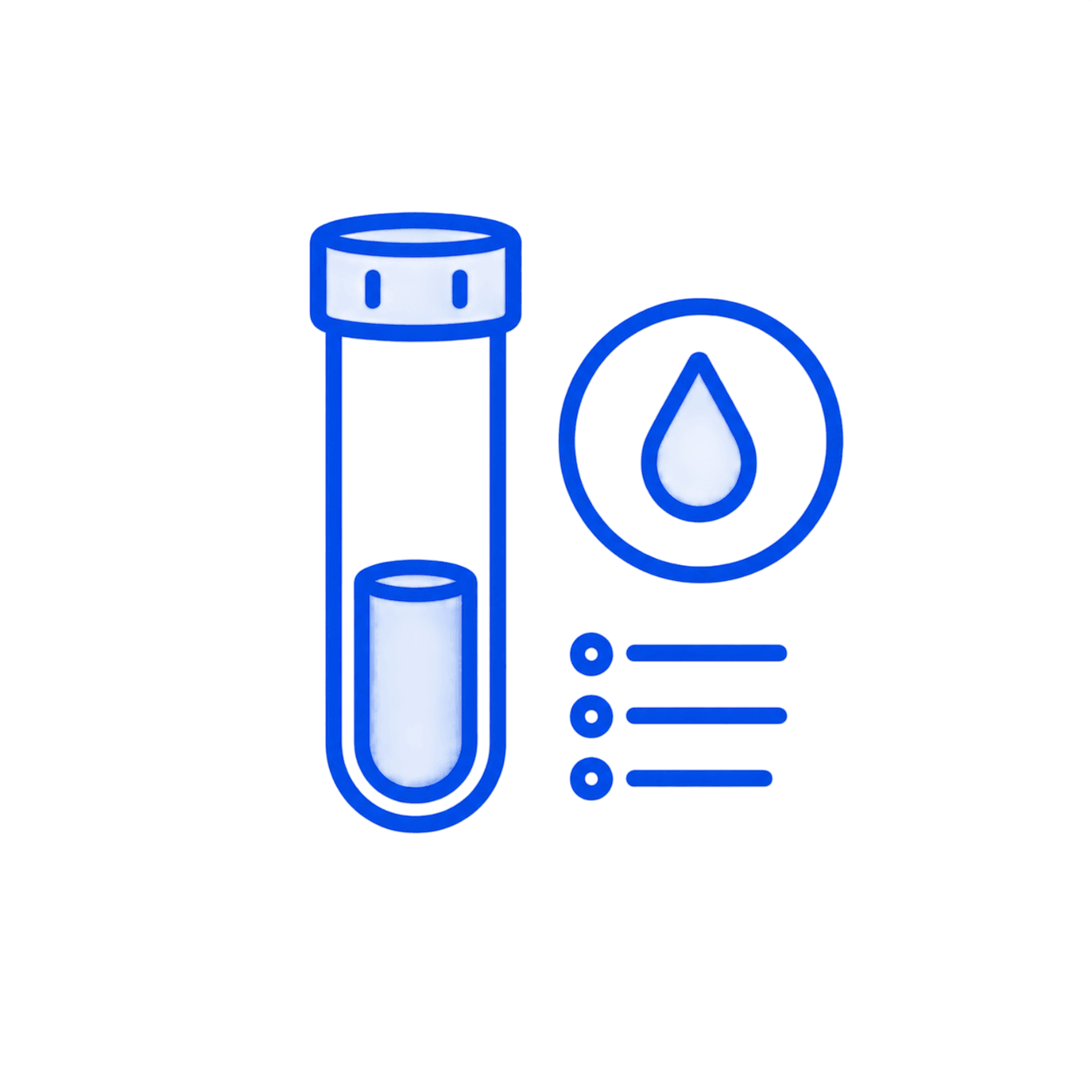
Thyroid blood testing
Blood tests help show how your thyroid is functioning by measuring thyroid hormone and related hormone levels.
Ultrasound imaging
Ultrasound uses sound waves to show the nodule’s size, structure, location, and nearby anatomy. It can also help guide procedures when needed.

Biopsy, when appropriate
If more information is needed, a thin needle may collect a small cell sample from the nodule for microscopic evaluation.
Your evaluation helps shape the next step
A benign thyroid nodule may still need treatment when it causes symptoms, visible neck changes, cosmetic concern, or continued growth. Your next step could include microwave ablation, follow-up imaging, surgery, or continued monitoring. The right path depends on your symptoms, ultrasound findings, nodule behavior, and overall thyroid health.

Microwave ablation (MWA):
a less invasive treatment option
For selected benign nodules, microwave ablation offers a targeted, image-guided way to treat nodule tissue while preserving the thyroid gland.
- 01
American Thyroid Association. Thyroid Nodules. Patient information.
- 02
Mayo Clinic. Thyroid nodules: diagnosis and treatment. Patient care information. 2025.
- 03
Cleveland Clinic. Thyroid Nodules. Health library article. 2022.
- 04
MedlinePlus. Thyroid nodule. Medical encyclopedia entry. 2024.
Patient information note
Educational information only. This page does not provide medical advice and does not constitute a treatment recommendation. Patients should speak with a qualified healthcare provider about diagnosis, symptoms, treatment options, risks, benefits, and alternatives relevant to their individual situation.